The Ultimate Guide to Organic Farming in Indonesia


Indonesia, with its rich biodiversity and favorable climate, is a prime location for organic farming. This sustainable approach to agriculture not only benefits the environment but also enhances food security and boosts local economies. In this guide, we'll explore the essentials of organic farming in Indonesia, from its benefits to practical tips for getting started.
Why Choose Organic Farming?
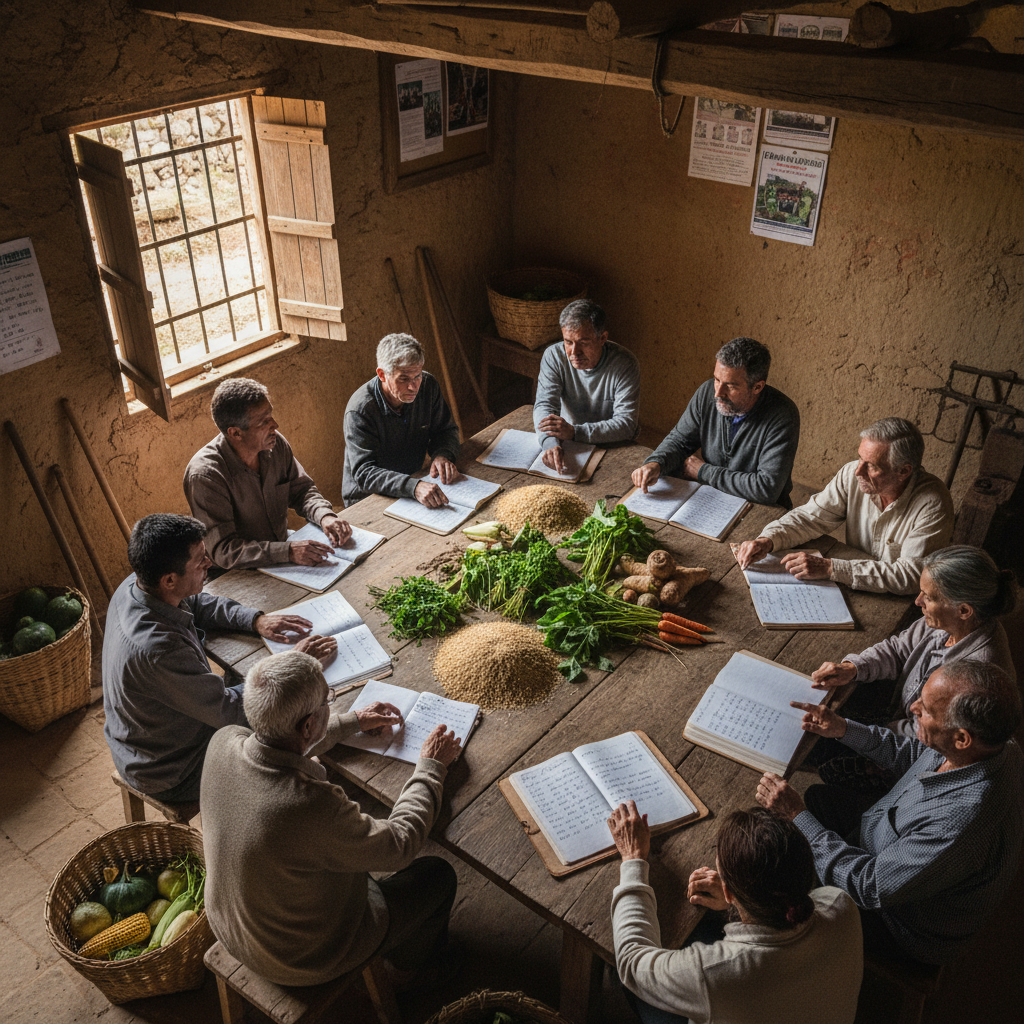
Organic farming is not just a trend; it's a movement towards a healthier and more sustainable agricultural system. By avoiding synthetic chemicals and genetically modified organisms (GMOs), organic farming helps preserve the environment and promote biodiversity. In Indonesia, where agriculture is a major part of the economy, adopting organic practices can lead to healthier communities and a more resilient ecosystem.
Environmental Benefits
The environmental benefits of organic farming are significant. By reducing the use of chemicals, organic farmers can protect water sources from contamination and maintain soil fertility. This approach also encourages a diverse ecosystem, which is crucial for pollinators and other beneficial organisms.
Getting Started with Organic Farming
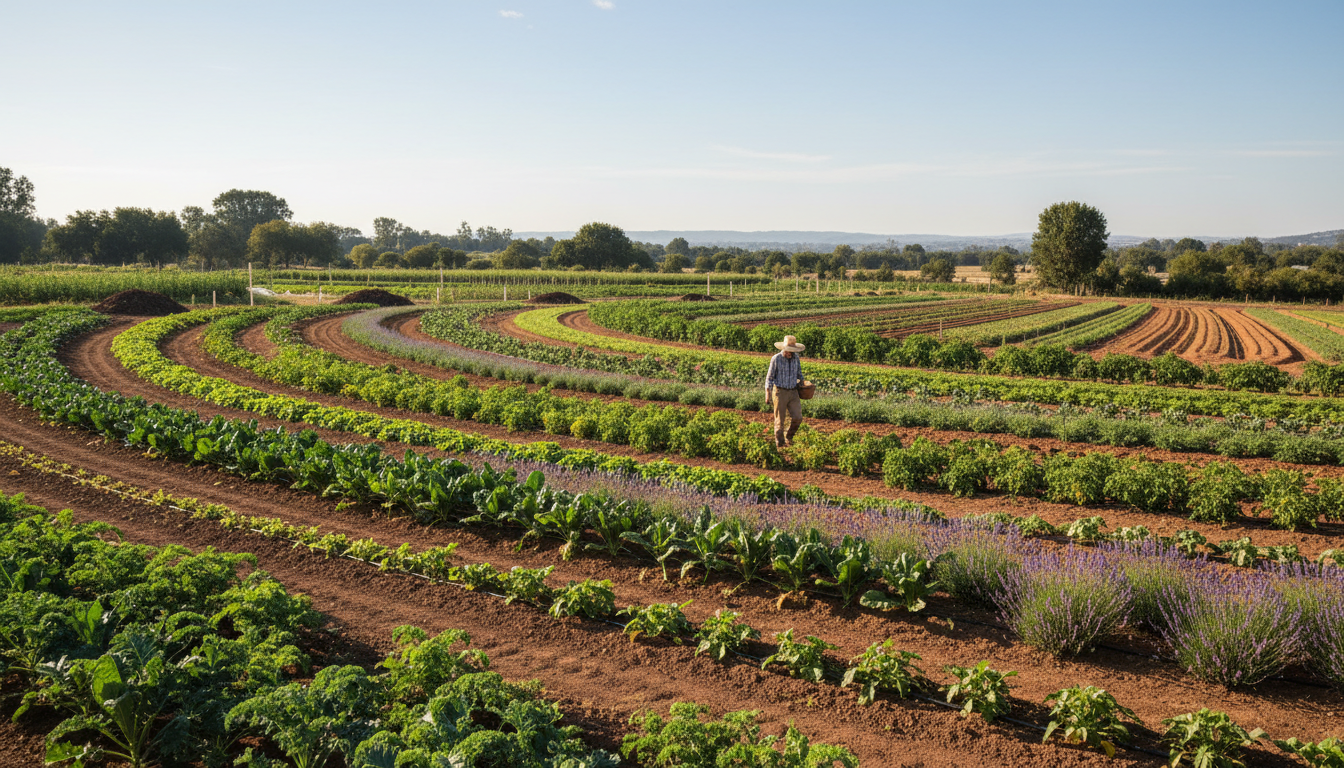
Starting an organic farm in Indonesia involves several key steps. First, it's important to understand the local regulations and certification processes. The Indonesian government has specific standards for organic farming, which include guidelines on soil management, pest control, and crop rotation.
Soil Management
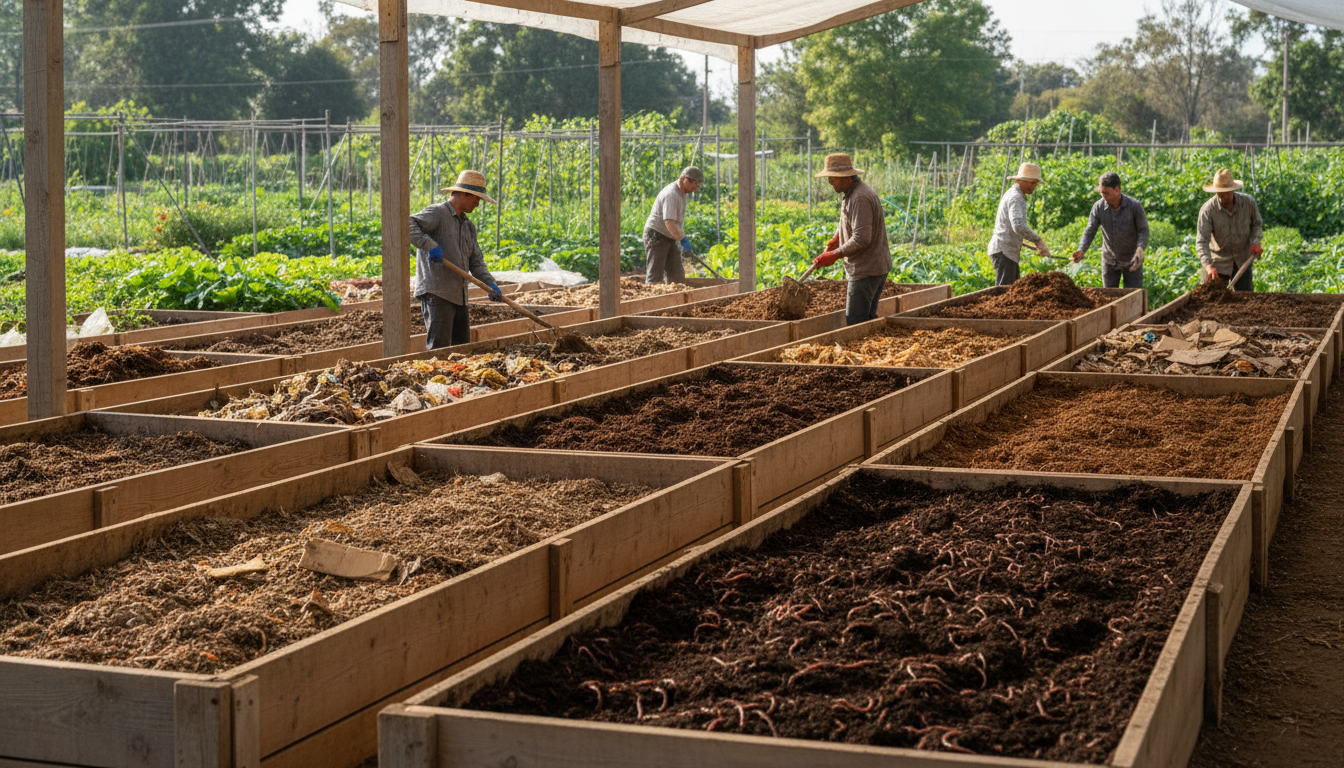
Healthy soil is the foundation of organic farming. Techniques such as composting, crop rotation, and the use of cover crops can enhance soil fertility and structure. These practices not only improve yield but also increase the farm's resilience to climate change and pests.
Pest and Disease Control
In organic farming, pest and disease control relies on natural methods. Integrated pest management (IPM) strategies, such as introducing beneficial insects and using natural repellents, can effectively manage pests without harming the environment.
Challenges and Opportunities
While organic farming offers numerous benefits, it also presents challenges. The initial transition can be cost-intensive, and farmers may face difficulties in marketing organic products. However, the growing demand for organic produce in Indonesia and globally presents significant opportunities for farmers willing to make the switch.
Market Potential
The demand for organic products is on the rise as consumers become more health-conscious. This trend creates a lucrative market for Indonesian farmers. By tapping into local and international markets, farmers can increase their revenue and contribute to the country's economy.

In conclusion, organic farming in Indonesia holds great promise for those committed to sustainable agriculture. By embracing organic practices, farmers can protect the environment, improve their livelihoods, and meet the growing consumer demand for healthy food. With the right knowledge and resources, the future of organic farming in Indonesia looks bright.