Myths and Facts About Organic Farming: Debunked by Sunrise Farm Lombok


Organic farming has become a popular topic among consumers and farmers alike, yet it remains shrouded in myths and misconceptions. At Sunrise Farm Lombok, we believe in the importance of understanding the true nature of organic farming. Let's debunk some common myths and reveal the facts.
Myth: Organic Farming Uses No Pesticides
Many people believe that organic farming is completely pesticide-free. The truth is, organic farming uses natural pesticides derived from plants, minerals, or other naturally occurring substances. These are carefully regulated to ensure they are environmentally friendly and safe for human consumption.

Fact: Organic Pesticides Are Carefully Regulated
Unlike synthetic pesticides, organic alternatives are strictly monitored and must meet specific standards. This ensures that they do not harm the ecosystem or the health of consumers. At Sunrise Farm Lombok, we adhere to these guidelines to maintain a sustainable farming environment.
Myth: Organic Farming Is Not as Productive
There's a common misconception that organic farming yields smaller harvests compared to conventional farming. While yields can vary, organic farming often focuses on quality over quantity, producing nutrient-rich crops.
Fact: Sustainable Practices Enhance Productivity
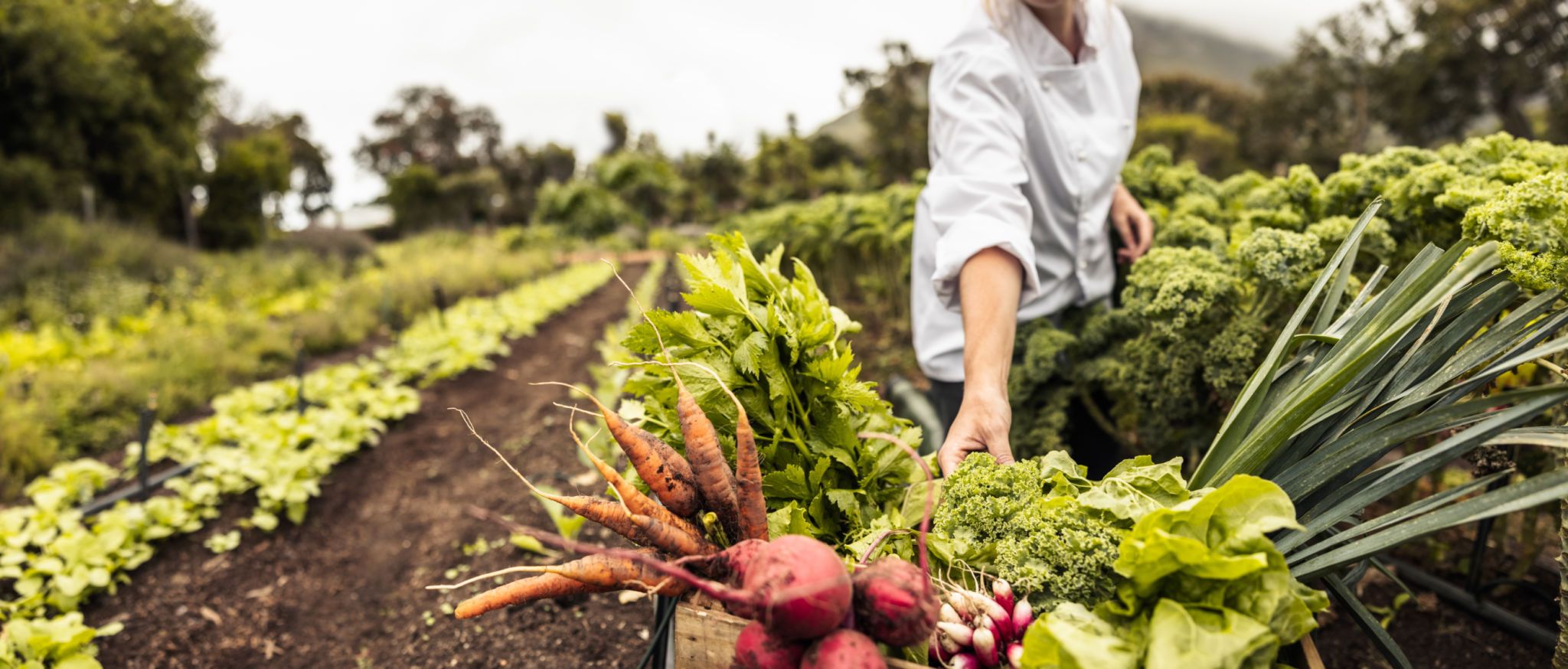
Organic farming employs techniques such as crop rotation, composting, and natural pest control, which enhance soil fertility and resilience. These practices can lead to healthy, robust crops, proving that organic farming can be both productive and sustainable.
Myth: Organic Farming Is Just a Trend
Some view organic farming as a passing trend, but its principles have deep-rooted historical significance. Organic farming practices reflect traditional agricultural methods that have been used for centuries.

Fact: A Commitment to Long-Term Sustainability
Organic farming is more than a trend; it's a commitment to long-term environmental sustainability and health. By focusing on soil health and biodiversity, organic farming aims to create a balanced ecosystem that supports future generations.
Myth: Organic Products Are Always Expensive
Consumers often perceive organic products as overpriced. While they may sometimes cost more due to labor-intensive practices, the investment in health and the environment is invaluable.

Fact: Value in Quality and Sustainability
Organic farming prioritizes ethical practices, environmental care, and high-quality produce. The benefits extend beyond immediate consumption, contributing to a healthier planet and community. Sunrise Farm Lombok is dedicated to offering organic products that reflect this commitment to quality and sustainability.
By understanding the facts behind organic farming, we can make informed decisions that support sustainable agriculture and a healthier future. At Sunrise Farm Lombok, we are proud to be part of this vital movement, striving to provide our community with fresh, organic produce.