Exploring the Benefits of Farm-to-Table Dining in Indonesia


Understanding Farm-to-Table Dining
Farm-to-table dining is a culinary movement that emphasizes sourcing ingredients directly from local farms. This approach ensures that the food on your plate is fresh, seasonal, and often organic. In Indonesia, this trend is gaining momentum as more people become conscious of where their food comes from and the impact it has on their health and the environment.
By choosing farm-to-table dining, consumers can enjoy meals that are not only delicious but also support local farmers and communities. This approach reduces the carbon footprint associated with transporting food over long distances, making it a more sustainable option.

The Benefits of Farm-to-Table Dining
Freshness and Flavor
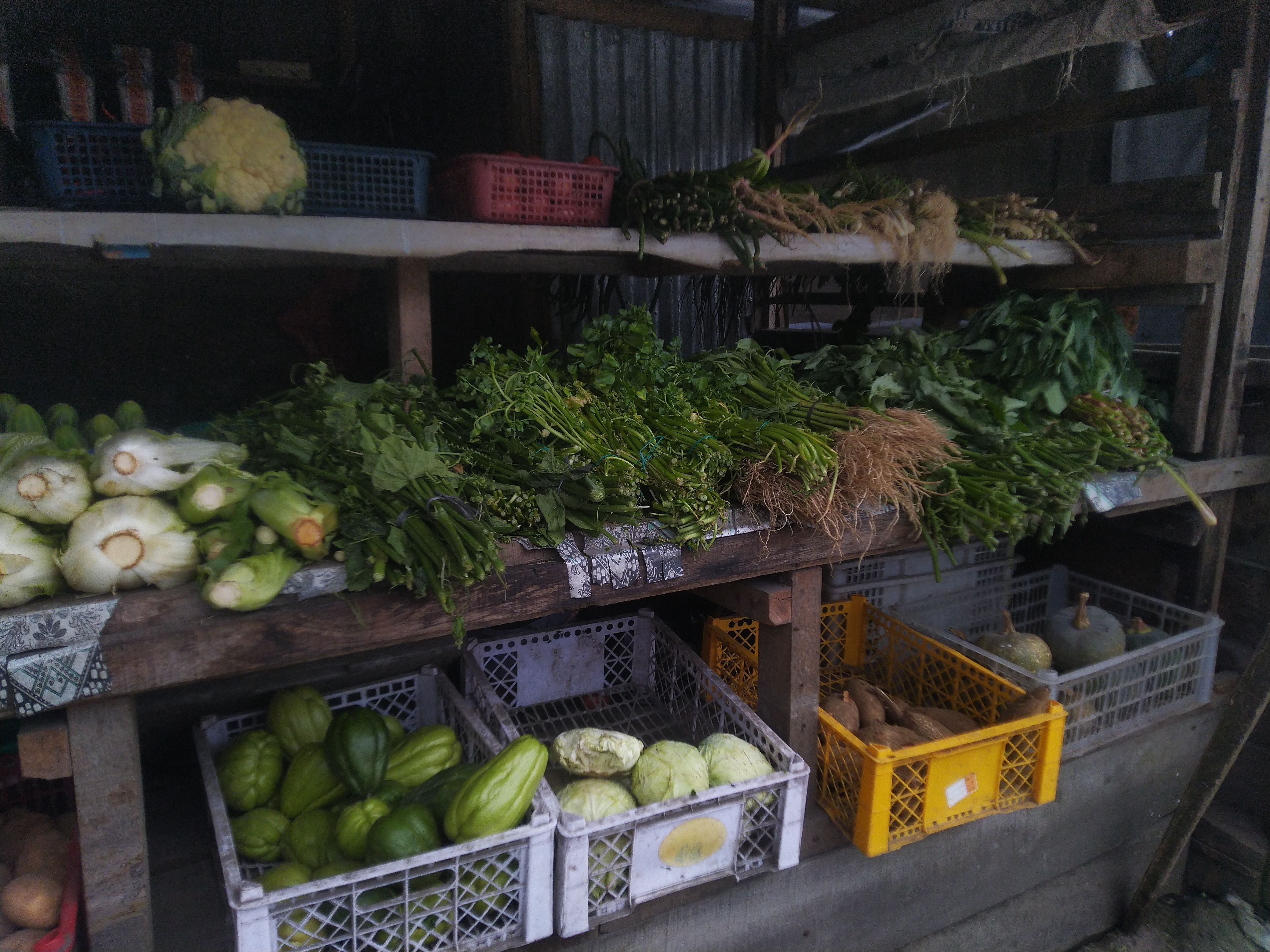
One of the most immediate benefits of farm-to-table dining is the unparalleled freshness of the ingredients. When produce is harvested at its peak and served shortly after, it retains its full flavor and nutritional value. In Indonesia, with its rich agricultural diversity, this means enjoying a wide variety of vibrant fruits, vegetables, and spices.
Supporting Local Economies
Farm-to-table dining strengthens local economies by supporting small-scale farmers and producers. This economic model fosters community resilience and encourages sustainable farming practices. In Indonesia, where agriculture plays a vital role in the economy, this support can lead to significant positive impacts.
Environmental Impact
Reducing the distance food travels from farm to plate significantly decreases carbon emissions. Farm-to-table dining encourages practices such as crop rotation and organic farming, which can lead to healthier soils and ecosystems. In a country as environmentally diverse as Indonesia, these practices are crucial for preserving natural resources.
Furthermore, farm-to-table dining often involves reducing waste by using the whole product, from root to leaf, which minimizes the environmental impact.

Cultural Connection and Culinary Innovation
Farm-to-table dining allows chefs to experiment with local, seasonal ingredients, leading to culinary innovation and a deeper connection to Indonesian culture. This approach celebrates traditional flavors while encouraging new culinary experiences. Diners can enjoy dishes that not only taste good but also tell a story of their origin.
Incorporating indigenous ingredients and cooking methods can also help preserve cultural heritage and introduce diners to the rich tapestry of Indonesian gastronomy.

Conclusion
Farm-to-table dining in Indonesia offers a multitude of benefits, from enhanced flavors and nutritional value to supporting local economies and reducing environmental impact. As more consumers and chefs embrace this movement, they contribute to a more sustainable and connected food system. By choosing farm-to-table, you are not only savoring delicious meals but also participating in a positive change for the community and the planet.