A Guide to Sustainable Agriculture in Indonesia


Understanding Sustainable Agriculture
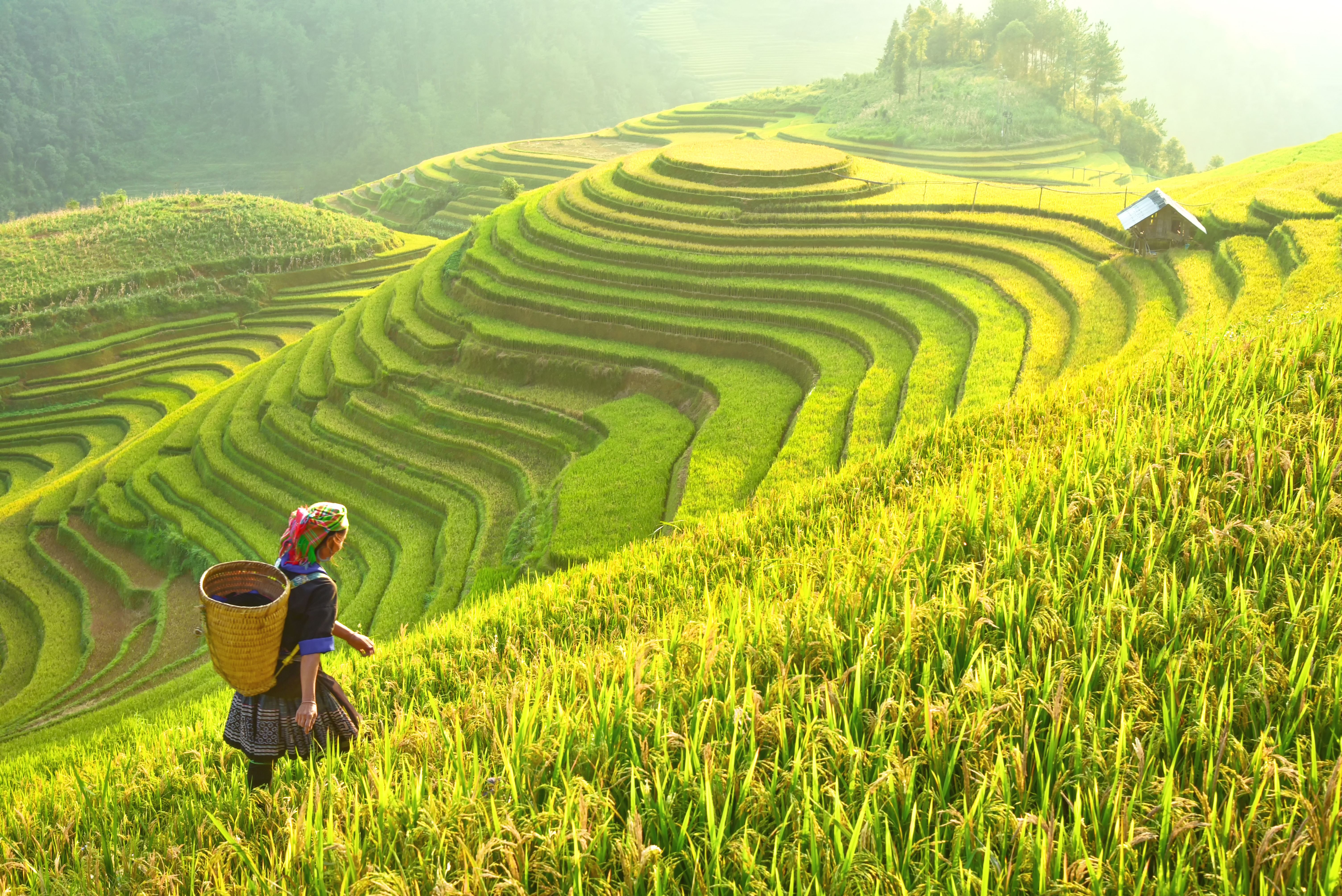
Sustainable agriculture is a method of farming that focuses on producing food in a way that maintains and enhances the environment, supports local communities, and provides economic benefits. In Indonesia, sustainable agriculture is gaining attention as a way to address environmental challenges and boost local economies. This approach ensures that farming practices do not deplete resources or harm ecosystems, paving the way for a healthier future.
The Importance of Sustainable Practices
Indonesia's diverse ecosystems and rich biodiversity are both a blessing and a challenge. The agriculture sector must balance productivity with environmental conservation. Sustainable practices help preserve soil health, reduce water usage, and minimize chemical inputs, contributing to a more resilient farming system. These practices are crucial for maintaining the country's natural resources and ensuring food security for future generations.
Key Techniques in Sustainable Agriculture
Several techniques are essential to implementing sustainable agriculture in Indonesia:
- Agroforestry: Integrating trees and shrubs into crop and livestock systems to enhance biodiversity and reduce erosion.
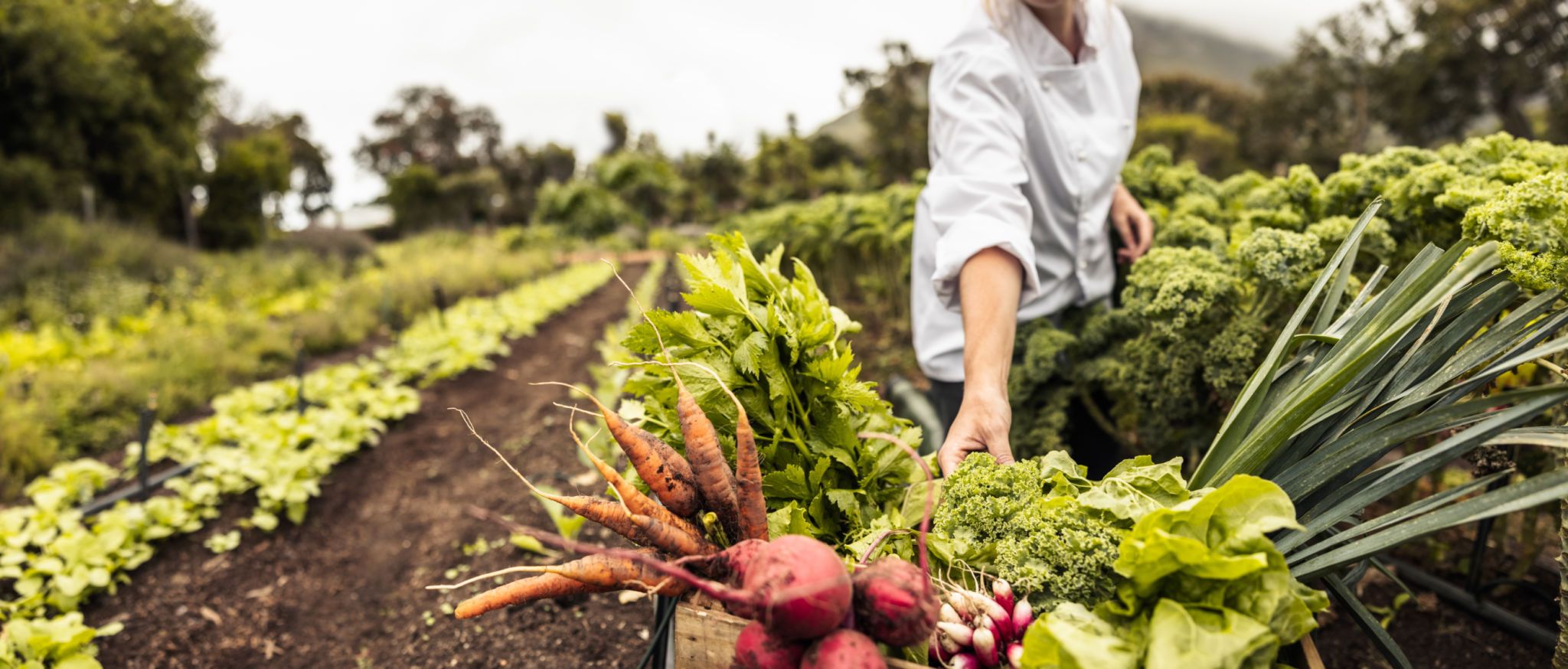
- Organic Farming: Avoiding synthetic fertilizers and pesticides to maintain soil health and reduce pollution.
- Crop Rotation: Changing the types of crops grown in a particular area to improve soil fertility and control pests.
The Role of Technology
Technology plays a significant role in advancing sustainable agriculture in Indonesia. Precision farming, for example, uses data and sensors to optimize field-level management regarding crop farming. This technology helps farmers use resources more efficiently, reducing waste and improving yields. Additionally, mobile apps and online platforms provide farmers with vital information about weather patterns, market prices, and sustainable practices.
Community Involvement and Education
Community involvement is critical for the success of sustainable agriculture. Educating farmers about sustainable practices and their benefits encourages widespread adoption. Workshops, training sessions, and collaboration with local governments and NGOs are effective ways to spread knowledge. Empowering farmers with the right tools and information ensures they can implement sustainable methods effectively.

Challenges and Opportunities
While there are significant benefits to sustainable agriculture, several challenges must be addressed. Limited access to resources, financial constraints, and a lack of awareness can hinder progress. However, these challenges also present opportunities for innovation and collaboration. By investing in research and development and fostering partnerships between the private and public sectors, Indonesia can overcome these hurdles and lead the way in sustainable agriculture.
The Future of Agriculture in Indonesia
Indonesia's commitment to sustainable agriculture promises a brighter future for its people and environment. By adopting and promoting sustainable practices, the country can improve food security, enhance livelihoods, and protect its rich natural heritage. As more farmers embrace sustainable methods, Indonesia can serve as a model for other nations striving to balance agricultural productivity with environmental stewardship.